The child
Because it adapts to your kid.
NeuraParent learns your child — their rhythms, strengths, and the little things that make them who they are — and adapts its support to match.
When the usual parenting advice makes everything worse, you need support that gets it.
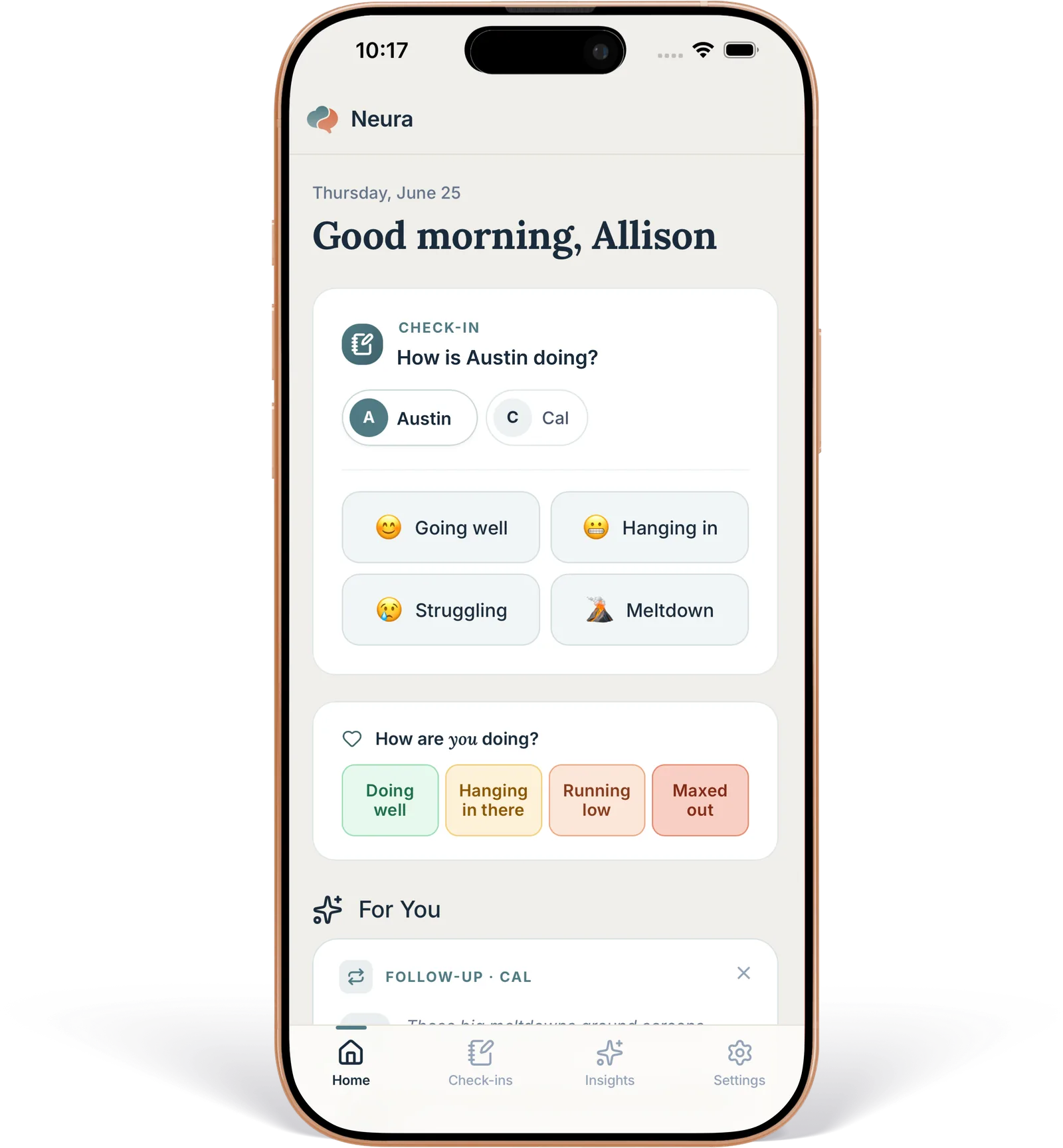
Watched a simple task ("time to brush teeth") turn into a full-body meltdown, and known it wasn't about the teeth.
Been told to hold the line, use consequences, be firm. You tried. It made everything worse, and it didn't make the next time any better.
Got a kid who's perceptive, funny, and fiercely fair, who also can't do the thing they wanted to do because you asked.
Wondered if you're doing it all wrong when you lower demands, even though it's the only thing that seems to help.
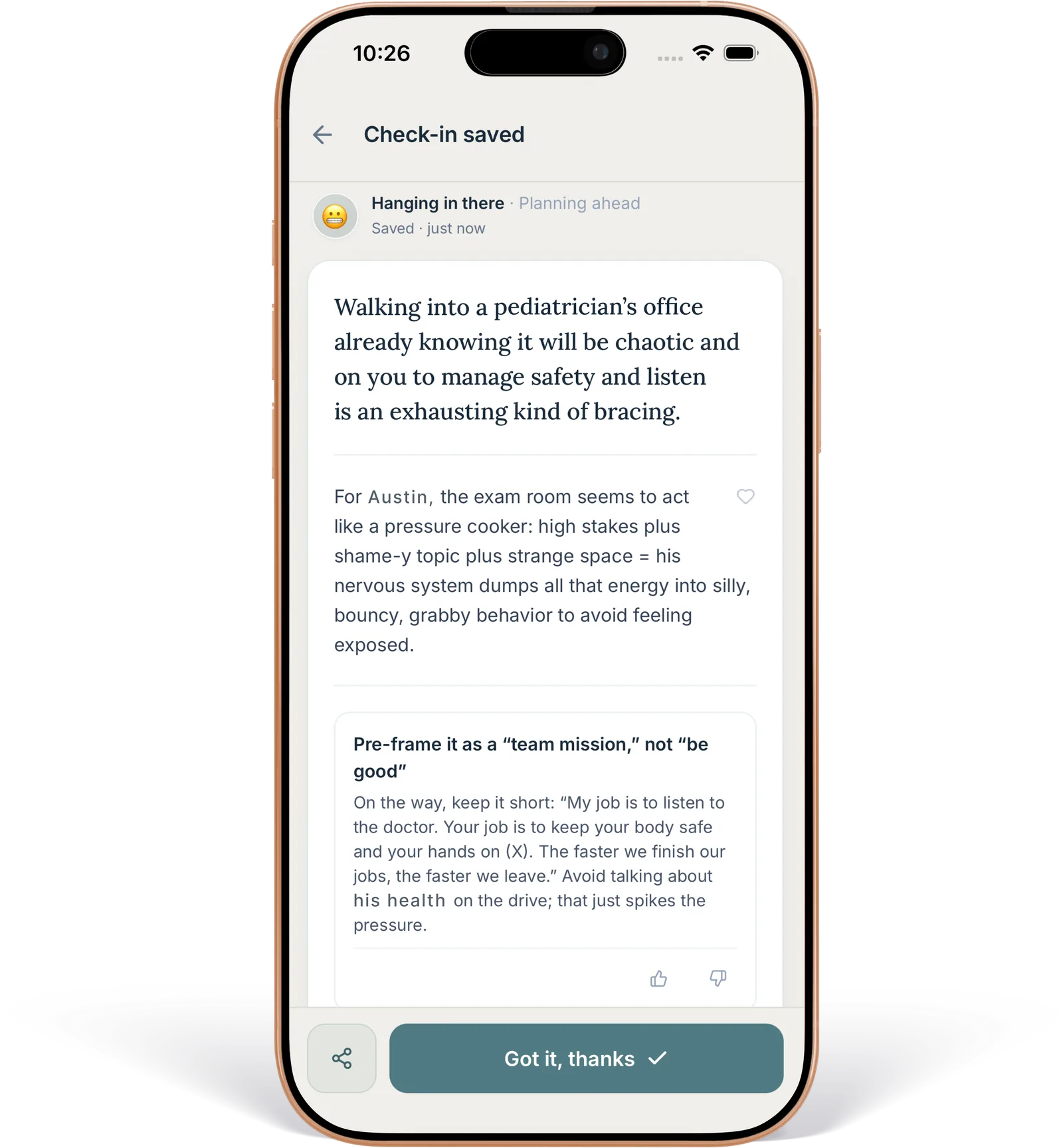
PDA runs on autonomy and anxiety. Simple requests can register as a threat, and your kid's refusal is a nervous system protecting itself, not defiance. NeuraParent starts from there. When you check in about a moment that fell apart, it doesn't hand you a firmer boundary. It looks at what happened, how it was delivered, what your kid's capacity looked like that day, and what has actually worked for them before. Then it gives you ideas that lower the pressure instead of raising it.
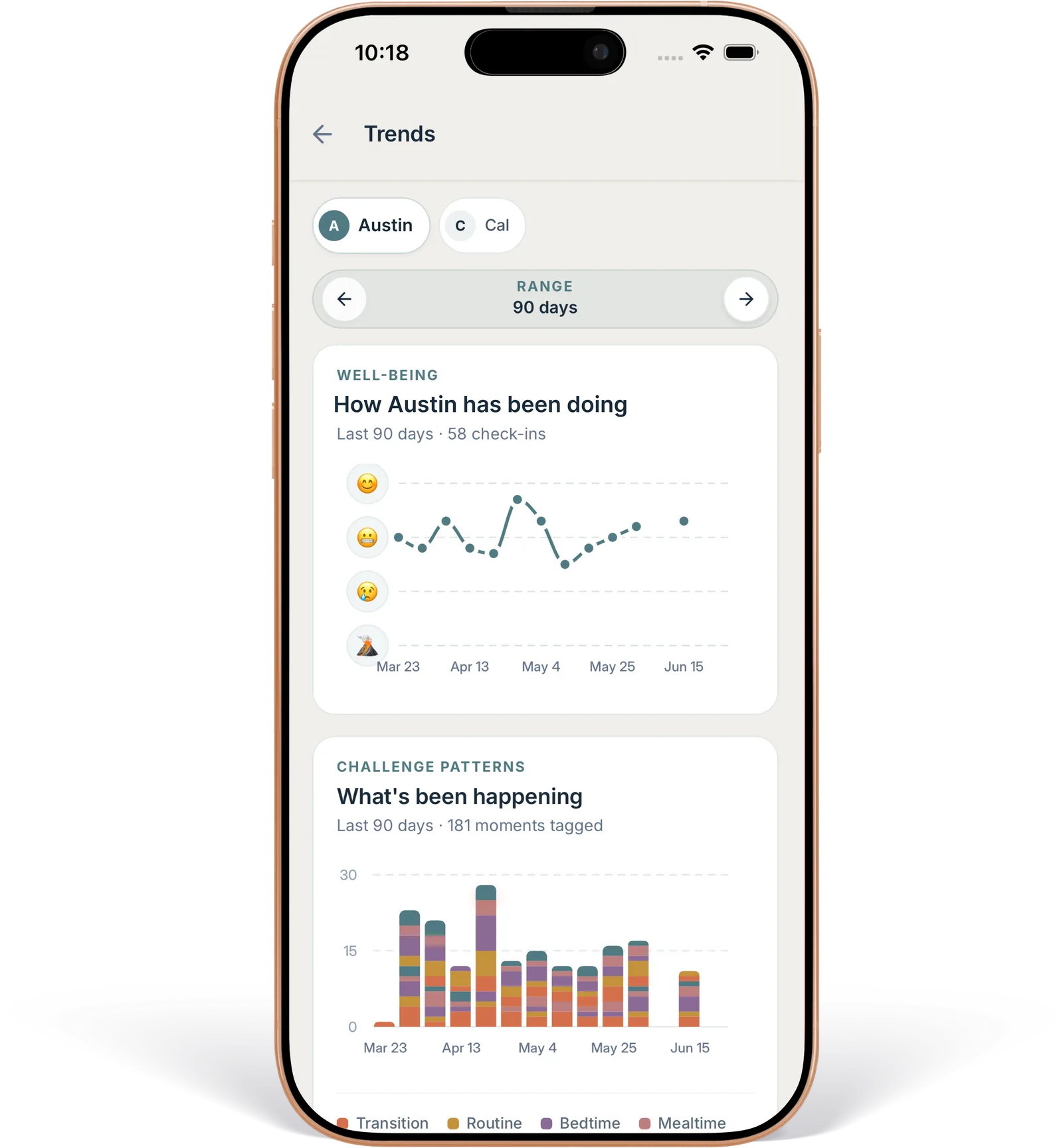
Over time it learns your kid's specific PDA profile, because there isn't a generic one. Which tasks and expectations register as demands. Which times of day have no capacity at all. Which indirect approaches your kid can handle. Those become weekly snapshots you can hand to a therapist, or to a school that still thinks this is defiance.
And it won't make you feel like you're giving in. Meeting your kid where they are, even if that means lowering demands, is a strategy.
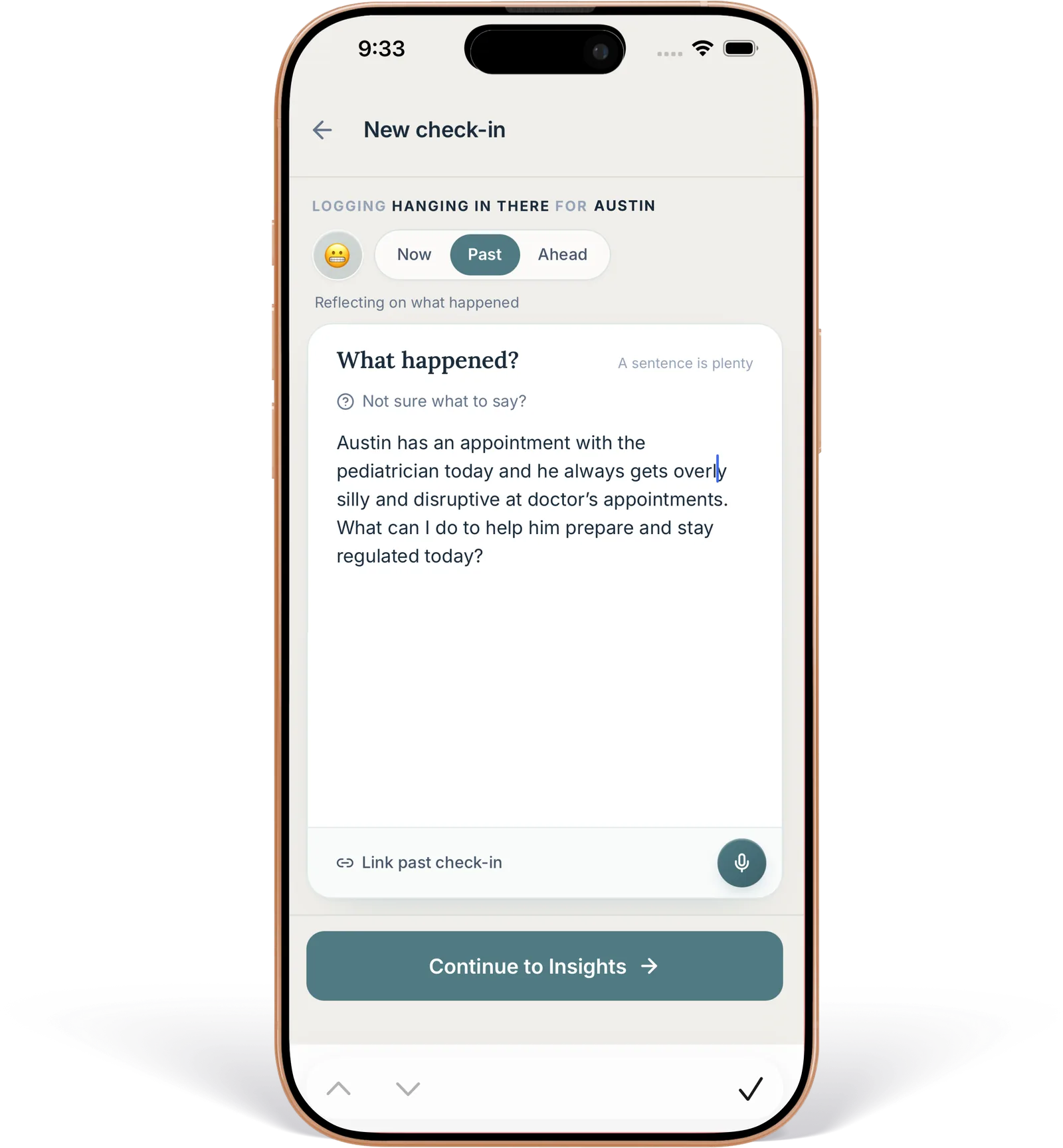
Share a few words about what happened. In under a minute, you'll have validation, a fresh way to see it, and something specific to try.
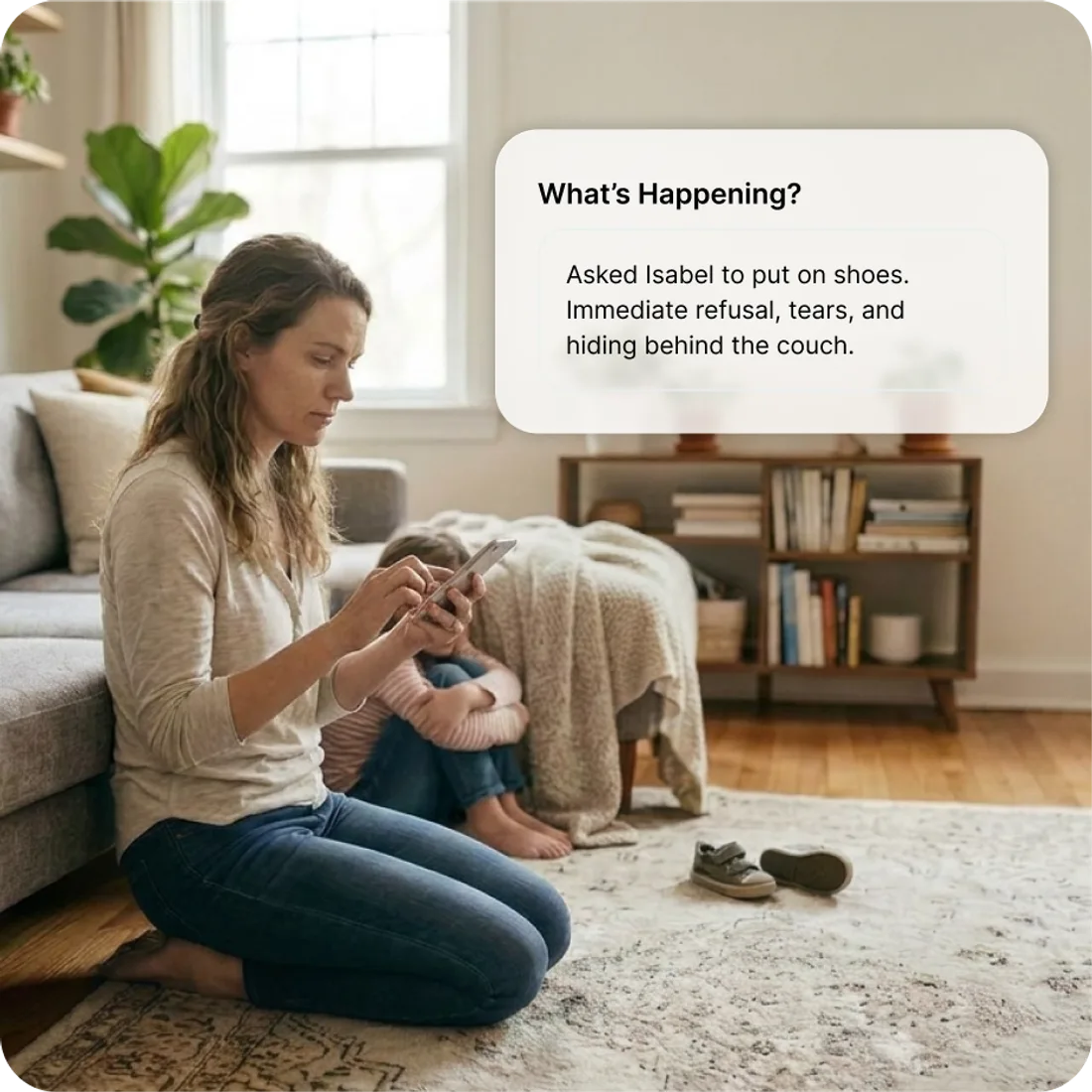
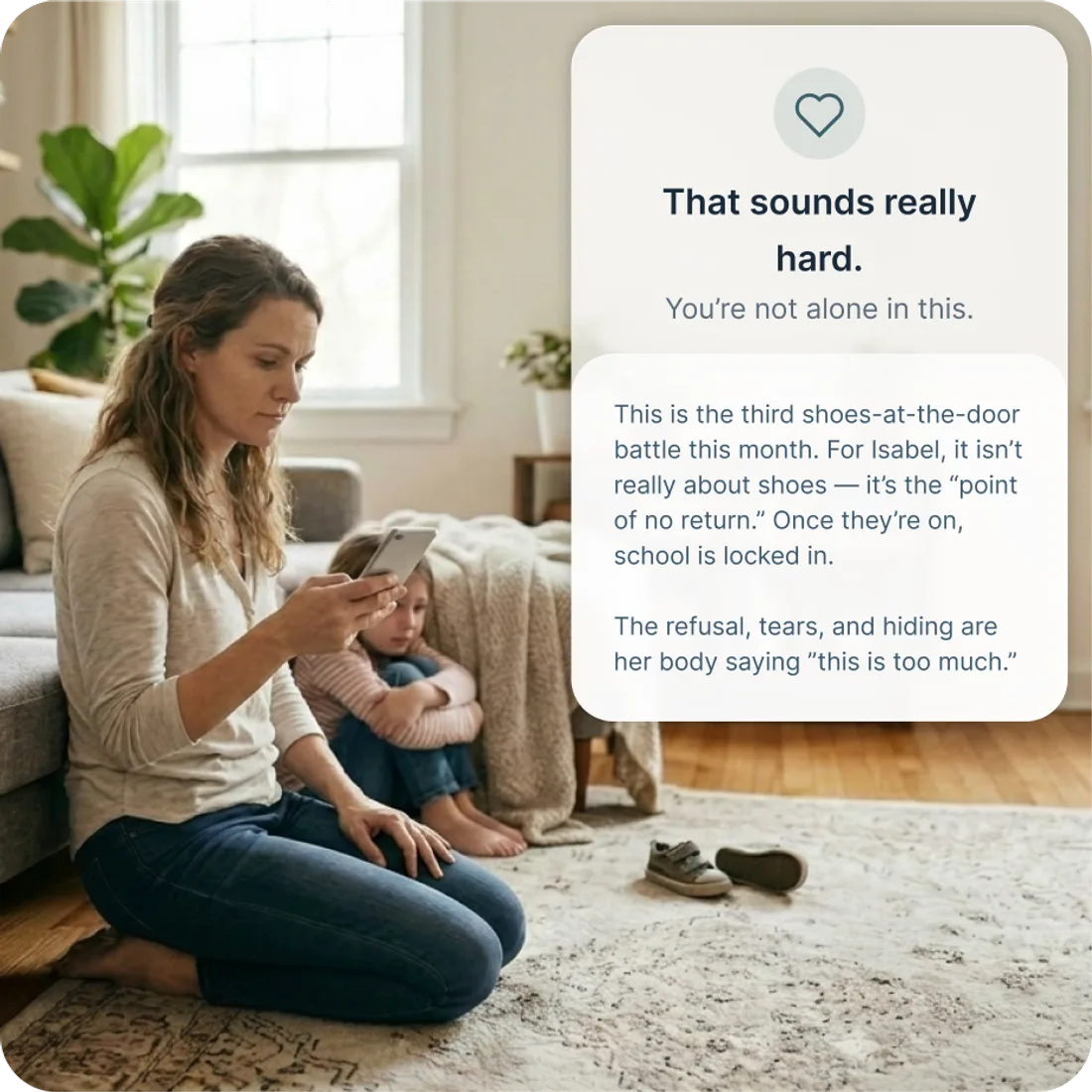
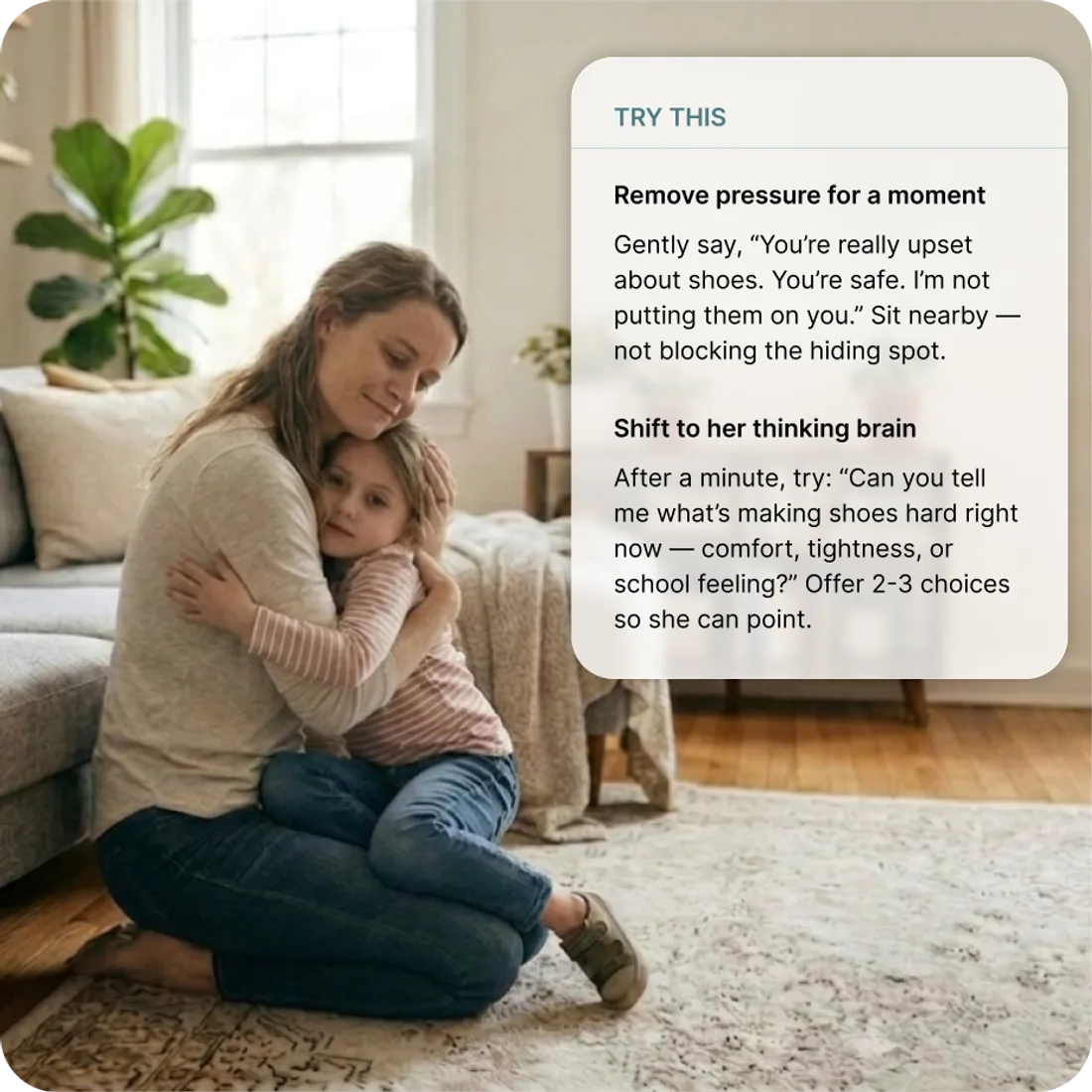
NeuraParent learns your child — their rhythms, strengths, and the little things that make them who they are — and adapts its support to match.
Whether you're heading things off, stuck in the thick of it, or making sense of it later, NeuraParent's with you through all of it.
You're juggling triggers, emotions, schedules, and your own sanity — often without any help. NeuraParent carries some of that weight.
Real feedback, in their own words.
NeuraParent is also built for autistic kids and kids with ADHD.
Tell NeuraParent. Get support, validation, and strategies to try next time.
Try it for freeStart free for 14 days — no credit card required.