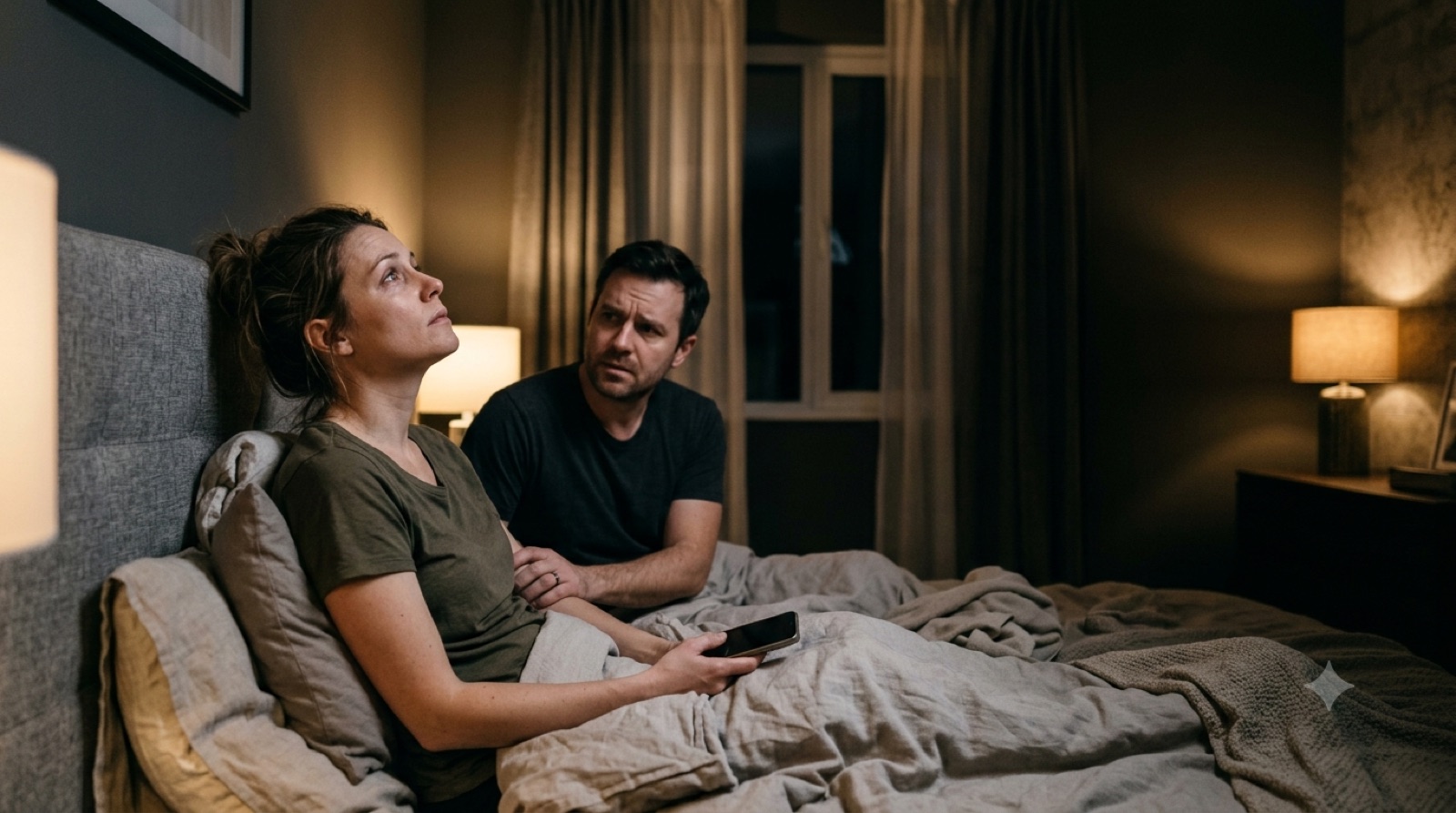
There's a special kind of loneliness that only certain parents understand: the kind where the only place you feel a sense of recognition — despite a wide network of family, friends, teachers and professionals supposedly on your side — is a Facebook group dedicated to parents of kids with a particular neurodivergent profile: Autism, PDA, ADHD, AuDHD, DMDD, 2e, Anxiety. Maybe one most people have never heard of, maybe one your child hasn't even been diagnosed with, maybe one your child's doctor doesn't believe exists.
Those of us who find ourselves in this situation didn't end up here because we were looking for an easy answer, or because we're bad parents, or because we haven't considered more traditional explanations for our kids' behavior first.
Tried it all, but nothing worked
We've spent months, maybe years, consulting doctors and therapists, reading the parenting books recommended to us, using the strategies we were told would work. We set clear boundaries, applied rules consistently, used natural consequences, devised reward charts, stayed calm. We tried everything.
But none of it changed our reality. None of those things produced the outcomes everyone was so confident they would. Our children continued to baffle us with their challenging behaviors, our homes felt anything but peaceful, and we spent every spare brain cell trying to figure out what we were doing wrong.
Everywhere we looked, the advice was the same. So we doubted ourselves. Maybe our consequences weren't consistent enough, our reward charts weren't rewarding enough, or our own capacity to stay calm in the face of extraordinary daily circumstances just wasn't enough.
And so we found ourselves in Facebook groups or subreddits or scrolling through our very niche Instagram feeds. Because these were the only places we felt understood. Where the extreme amount of effort we've put into raising our kids was appreciated. Where we could receive support without our parenting approaches being put under a microscope and picked apart for weaknesses. And where we occasionally found a strategy that actually helped our kids.
If any of this resonates, I want you to know: you have not been doing it wrong.
When the strategies didn't work, it wasn't because you applied them wrong. It was because they were aimed at a target that never existed.
The assumption that's wrong twice over
The problem isn't you, and it isn't your child. The problem is the unspoken assumption underlying the advice we receive from doctors on down, and often believe ourselves despite ample evidence to the contrary: that if you just parent hard enough, if you just get it 100% right 100% of the time, you can "fix" your kid.
That assumption is wrong twice over. It's wrong about your child, who was never "broken" to begin with. And it's wrong about you — because who your child is was never yours to change. When the strategies didn't work, it wasn't because you applied them wrong. It was because they were aimed at a target that never existed.
The late nights you've spent worrying, the stack of books you've read (or tried to), the strategies you've tried and tried again: those are all evidence of how dedicated a parent you are, how much you love your child, and how much harder your reality is than most people will ever comprehend.
- Children are not widgets or lumps of clay. Each child is a complex, unique human with their own set of strengths, challenges, interests, and motivations, and their own developmental timeline. Our job as parents is not to stuff them into a mold they don't fit, but to support them in becoming the best version of who they already are.
- Kids do well if they can. Challenging behavior is not willful defiance or manipulation; it's a sign of distress that occurs when kids don't have access to the skills needed to meet the moment. And if we examine their behavior without judgment, we can help them develop the capacity to handle problems collaboratively. (H/T Ross Greene)
- Parents of complex and neurodivergent kids need support, not judgment. They are already working far harder than most people can possibly understand — doing their best for their kids in a world that doesn't get it, supporting, guiding, and protecting them against a tide of misunderstanding and intolerance that can feel unrelenting.
These principles are the foundation of NeuraParent, an app I built to support parents of neurodivergent kids. NeuraParent gets to know you and your child and offers support shaped around who your child actually is — with the belief that you are working incredibly hard and that you deserve support as well. NeuraParent helps you feel calmer, more connected to your child, and less alone on the road you were given to travel.
But the app is only one small piece of what I hope you leave with: you have not been doing it wrong. Raising your child isn't about finding the magic formula that fits them into the mold — it's about meeting them where they are, supporting their growth and development, and recognizing that both you and your child are doing the best you can. And that's more than enough.